
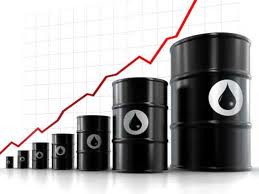
From the prices of filling up our
autos to grocery costs, plane tickets, heating costs and even medicine among
other things, a lot of people are not aware of how the rise of oil prices
impact their wallets.
And while oil has an indirect affect
in our lives, it is also a commodity that can be used to make money. While it
doesn’t claim to have a large share of daily trade volume like the massive
Forex market, it certainly provides some substantial profits for savvy
investors.
What Impacts Oil Prices?
The price of oil usually depends on
the supply and demand. Simply put, if the demand for oil is higher than the
supply, then the price will rise. In the same way, if the supply of oil is
higher, then the price goes down. If you have even a basic idea of economics,
then you probably understand this concept.
According to the International
Emergency Agency, the global demand for oil would slowly accelerate all the way
through 2012 from close to zero to growth
in the Q1 to an increase of 1.2 million barrels per day by the Q4.The increase
in oil demand is driven by emerging market economies. Another factor that
affects oil prices is the current supply in terms of output, as outlined by the
Organization of Petroleum Exporting Countries (OPEC)
The oil
demand specifically in the US, the world’s largest consumer of oil, is another
major factor that affects oil prices. The weekly petroleum status report is
given out every Wednesday at 10:30 AM, New York time. This reports how much oil
is currently stored in the strategic reserves in the US.
Apart from supply and demand,
investor speculation has a large effect on the oil prices as well. These
investors bid on oil derivatives. Not only investors but also financial institutions
such as banks also participate in oil trading as they hold commodity linked
investments in their asset allocation strategies. There are traders who trade
oil for short periods to make quick profits while there are also those who do
long term (multi-year) speculative trades.
There are several brokerage
companies in Dubai and other parts of the world that offer oil/gas products for
investing. The most popular type being offered is the oil futures. Oil futures
are basically agreements to buy or sell oil at an agreed price on a future
date. Futures involve speculating on the market prices and basing one’s
decision on the supply and demand of oil.
